
Transforming Ordinary Spaces with Elegant Herringbone and Chevron Layouts
The floors beneath your feet do more than support your furniture. They establish the visual rhythm of your entire home. While standard straight-plank installations offer a clean and classic look, patterned flooring introduces a layer of architectural interest that instantly elevates an interior. Among the most enduring geometric layouts are herringbone and chevron. These classic European styles have made a definitive comeback in American homes with historic charm and sophistication. Choosing one of these patterns is a design decision that alters how light dances across a room and how movement flows from one space to the next.
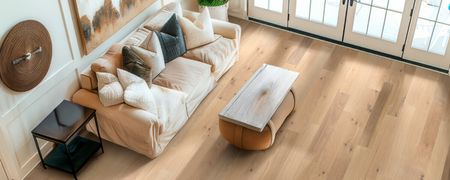
When you walk into a room featuring a geometric floor layout, your eyes are naturally drawn across the space. These patterns utilize lines and angles to create a sense of energy and purpose. Whether you are planning a complete renovation or updating a single room, understanding how herringbone and chevron interact with your existing architecture is the first step toward a successful transformation. Both options offer a beautiful departure from the expected, turning an ordinary surface into a striking design feature.
The Timeless Appeal of Herringbone Floors
Herringbone flooring brings a sense of classic elegance and structural stability to a home. This pattern dates back to the Roman Empire, where it was utilized in stone paving for its incredible durability under heavy traffic. Centuries later, it became a staple in grand European châteaux and Parisian apartments. Today, it serves as a foundation for American living rooms, entryways and kitchens. The layout is defined by rectangular planks that meet at a ninety degree angle, creating a staggered, broken zigzag that feels both traditional and entirely current.
Because the planks overlap rather than meet at a point, herringbone has a unique texture that handles light beautifully. The alternating direction of the wood grain catches natural sunlight differently throughout the day, highlighting the natural variation, knots and character of the wood. This layout works well in open concept spaces where you want to define specific zones without erecting physical walls.
White Oak in Formal Settings
Opting for a classic white oak or European oak in a herringbone layout brings a grounded, sophisticated feeling to a formal living room or parlor. The natural golden and tan undertones of oak pair well with traditional architectural details like crown molding, built-in bookshelves and deep baseboards. In these settings, a standard plank width of three inches by fifteen inches creates a balanced rhythm that complements heavy furniture and statement hearths.
As daylight streams through the windows, the ninety degree interlocking pattern creates a subtle interplay of shadow and light. This visual depth ensures that even a room with minimal decor feels fully dressed and inviting. The staggered design inherently draws the eye diagonally toward the corners of the room, making the overall footprint feel more expansive and grand than it actually is.
Dark Walnut for Cozy Intimacy
For spaces where you want to cultivate a cozy, intimate atmosphere, a dark walnut herringbone floor provides a rich and moody foundation. The deep chocolate tones and complex grain patterns of walnut contrast beautifully with the geometric precision of the layout. This combination is particularly effective in home libraries, home offices or dedicated dining rooms where evening entertaining takes place.
A dark palette highlights the joinery of the herringbone pattern, turning the floor into a custom piece of woodwork. When paired with rich leather seating, brass fixtures and soft accent lighting, the floor anchors the room with a sense of permanent, old world craftsmanship. It behaves like a statement rug, offering warmth and visual texture that makes large rooms feel intimate and small rooms feel incredibly luxurious.
The Modern Precision of Chevron Layouts
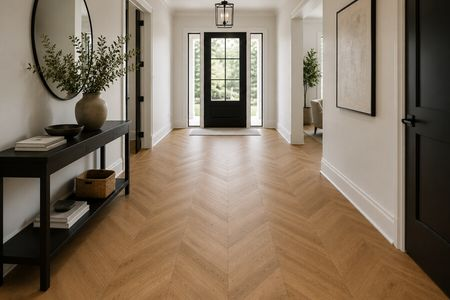
Chevron flooring offers a clean geometry that instantly speaks to contemporary design sensibilities. Unlike herringbone, where rectangular planks overlap, chevron blocks are cut at a precise angle, typically forty five or sixty degrees, so they meet along a straight center line. This creates a continuous, unbroken V shape that resembles an arrow or a flight of steps. The result is a highly structured, directional pattern that adds a crisp sense of movement to any interior.
The continuous alignment of a chevron pattern creates clear linear pathways through a home. This makes it an exceptional tool for directing visual traffic and lengthening sightlines. If your design aesthetic leans toward minimalist, mid century modern or transitional, chevron provides a tailored look that aligns with clean lines, geometric furniture and uncluttered spaces.
Ash and Maple for Contemporary Minimalism
Light hardwoods like ash or maple cut into a chevron pattern offer a fresh, airy aesthetic that complements modern minimalist architecture. The clean, pale tones of ash keep the room feeling bright and open, while the sharp angles of the chevron pattern add the necessary architectural interest to prevent a neutral room from looking flat. The continuous center seams create elegant vectors that lead the eye effortlessly through the space.
This configuration works beautifully in sunlit lofts, modern kitchens or primary bedrooms where simplicity is the goal. Because the pattern is so precise, it acts as a subtle art piece underfoot. It allows you to keep your walls simple and your furnishings sparse while still ensuring the room possesses a distinct design identity and a sense of deliberate craftsmanship.
Mixed Tone Layouts for Dynamic Visuals
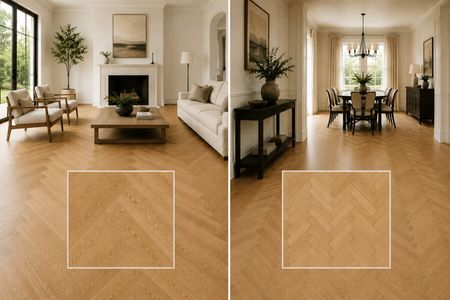
If you appreciate the clean lines of modern design but still want the warmth of a traditional home, a mixed tone chevron layout bridges the gap perfectly. By utilizing planks with slight variations in stain or natural color, the distinct V shape of the pattern becomes even more pronounced. This creates a dynamic, multi-dimensional surface that ties together different wood tones found in your furniture or cabinetry.
A mixed tone approach is highly practical in high traffic areas like entryways and long hallways. The variation in the wood tones easily disguises everyday dust and footprints, while the directional arrows of the chevron pattern create an energetic pathway that welcomes guests into your home. It provides a stunning transition between different rooms, connecting distinct spaces with a shared design language.
Designing and Scaling Patterns for Your Home
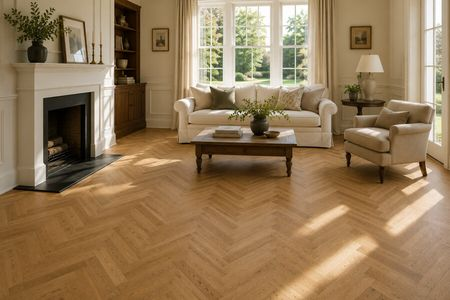
Integrating a geometric floor pattern into your home requires a thoughtful approach to scale, proportion, and room layout. The size of the planks you choose drastically alters the final appearance and feel of the space. Large format patterns can make a sweeping, dramatic statement, while smaller, narrower planks offer a delicate, intricate texture. Considering how the flooring interacts with your room’s dimensions ensures the result feels balanced and harmonious.
It is also important to consider the orientation of the pattern relative to the main entrance of the room and the primary light sources. Running a chevron or herringbone pattern parallel to the longest wall can make a narrow room appear longer, while running it across the width can help widen the feel of a restrictive space. Taking the time to visualize how the angles will meet your walls and transitions will ensure a seamless, high-end installation.
- In smaller rooms, such as powder rooms, cozy dens or entryways, a smaller scale pattern is often the most rewarding choice. Narrower planks with shorter lengths create more repetitions of the pattern, which adds a sense of jewel box intricacy to the space. This abundance of detail makes a compact room feel special and intentionally designed, rather than overlooked.
- Conversely, large, open concept floor plans demand a grander scale. Wide plank herringbone or chevron installations prevent the pattern from looking overly busy or chaotic across a large expanse of flooring. Utilizing wider and longer planks maintains the geometric elegance of the layout while respecting the open architecture, ensuring the floor grounds the room without overwhelming the rest of your interior design.
Selecting the Ideal Geometric Foundation
Investing in a patterned floor is a beautiful way to personalize your home and add lasting architectural value. Whether you prefer the classic, woven texture of a herringbone layout or the crisp, directional energy of a chevron pattern, these geometric designs transform ordinary spaces into extraordinary environments. By selecting the right wood species, coloration and plank scale, you can create a look that reflects your personal style and enhances the natural flow of your home.
At Bodamer Brothers Flooring, we’ll help you explore your options and find the right flooring for your home in Traverse City, MI.